

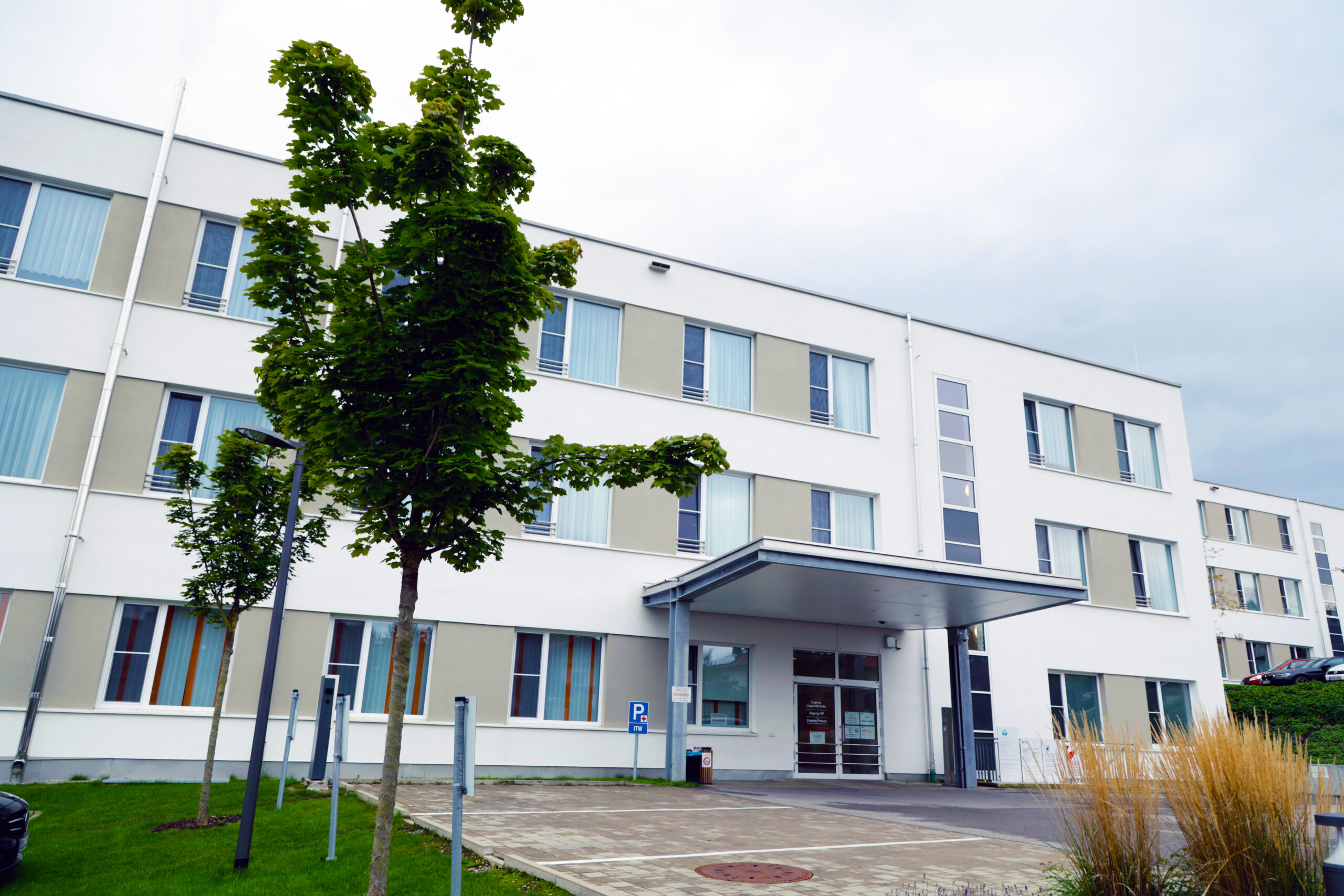
Orthopädie Harthausen

Robotics in Joint Surgery – Modern Precision for Knee and Hip Replacement

Orthopaedics is continuously evolving. One of the most significant innovations in recent years is the use of robotic-assisted technology in knee and hip replacement surgery. Many patients understandably ask: What are the advantages of this approach? Is it safe? And what role does the robot actually play?

First and foremost, it is important to emphasize that even in robotic-assisted surgery, full responsibility remains with the experienced surgeon. The robot does not operate independently. Instead, it serves as a highly precise support tool. Using advanced sensor technology and digital planning, the system enables millimeter-accurate alignment and positioning of the implant. The goal is to tailor the artificial joint to the patient’s individual anatomy, protect surrounding tissues, and create the best possible conditions for natural movement.

Clinical studies indicate that enhanced precision can improve implant positioning. Accurate alignment is a key factor in ensuring stability, optimal function, and long-term durability of a joint replacement. At the same time, the surgeon’s expertise remains the most important determinant of success. The technology complements surgical experience—it does not replace it.

Preparation for robotic-assisted surgery is very similar to that of a conventional procedure. It includes a thorough personal consultation, clinical examination, and the necessary X-ray diagnostics. Based on these findings, a detailed digital surgical plan is created. In most cases, an additional CT scan is not required. During the procedure, relevant measurements are continuously recorded and integrated into the system, allowing for ongoing precision and control.

The duration of the operation is generally comparable to traditional methods. Implantation of a knee or hip prosthesis typically takes between one and three hours, depending on individual circumstances. Postoperative care is also similar. Patients usually remain in the hospital for four to five days. Mobilization begins as early as the first day after surgery under the guidance of physiotherapists. This is followed by either outpatient or inpatient rehabilitation to gradually restore mobility and strengthen the surrounding muscles.

Many patients report a very natural feeling of movement after surgery. Thanks to modern implant materials and precise surgical techniques, today’s joint replacements offer excellent longevity. Lifespans of 20 to 25 years or more are achievable, allowing even younger and active individuals to benefit from long-term joint function.

The decision to proceed with surgery is always made individually—particularly when conservative treatments no longer provide sufficient relief and quality of life is significantly affected. During a personal consultation, we carefully discuss which treatment option is best suited to your specific situation and whether robotic-assisted implantation may be appropriate.

Robotic-assisted joint surgery represents innovation, precision, and a consistently patient-centered approach. It combines advanced technology with extensive surgical experience—aiming to provide long-term stability, reduced pain, and renewed quality of life.

Picture of Orthopädie Harthausen
Orthopädie Harthausen

Unser Team bemüht sich, Sie stets über die neuesten Entwicklungen, Behandlungsmethoden und Technologien in der Orthopädie zu informieren. Mit regelmäßigen Updates und einer transparenten Kommunikation möchten wir sicherstellen, dass Sie immer bestens informiert sind – für Ihre Gesundheit und Ihr Vertrauen.

Melden Sie sich für unseren Newsletter an und erhalten Sie aktuelle Informationen, exklusive Angebote und wertvolle Einblicke direkt in Ihr Postfach. Jetzt anmelden und nichts mehr verpassen!
Latest Post
Practice Closed on April 8, 2026 due to System Upgrade

Dear Patients,
In order to further modernize our internal processes and continue providing you with efficient, reliable, and secure service, we will be carrying out a comprehensive upgrade of our computer system. This technical update will improve areas such as appointment scheduling, documentation, and overall workflow — allowing us to serve you even more effectively in the future.
To complete this transition smoothly, we require one full working day without regular practice operations. Therefore, our practice will be closed all day on Wednesday, April 8, 2026. On this day, consultations and telephone services will not be available.
We will reopen as usual on Thursday, April 9, 2026, and look forward to welcoming you back with our improved system in place.
We sincerely appreciate your understanding and patience during this important upgrade. In case of urgent medical concerns, please contact the out-of-hours medical service or your nearest emergency facility.
Thank you for your continued trust — we look forward to seeing you soon.


Weiterlesen »
Holiday Opening Hours

Dear Patients,

Please note the adjusted opening hours of our practice Orthopaedics Harthausen during the holiday period around the turn of the year.

Weiterlesen »
Cutting-Edge Technology for Better Outcomes: AI in Knee Replacement at Schön Klinik Bad Aibling Harthausen

Schön Klinik Bad Aibling Harthausen Takes a Major Step into the Future of Medicine with Groundbreaking Knee Replacement Procedure

With the introduction of an innovative approach to knee arthroplasty, Schön Klinik Bad Aibling Harthausen has set a milestone in modern medicine. For several months now, the renowned Joint Centre of the clinic has been using the highly advanced CORI robotic system from manufacturer Smith+Nephew. This cutting-edge technology elevates precision and individualization in knee replacement surgery to an entirely new level. Schön Klinik is among the first hospitals in Germany to implement this system as part of standard clinical practice – significantly enhancing patient care.

Weiterlesen »
Robotic-Assisted Hip Surgery: More Precision, Better Results

How Cutting-Edge Robotic Technology at Schön Klinik Bad Aibling Harthausen Is Revolutionizing Joint Replacement – and Why It Offers New Perspectives Especially for Younger Patients

The number of people opting for an artificial hip joint at an earlier stage is steadily increasing. Pain, limited mobility, and a reduced quality of life are reasons why surgery is now often necessary as early as the age of 40. At Schön Klinik Bad Aibling Harthausen, a highly advanced system is being used that is attracting attention: the CORI robotic system.

Weiterlesen »

Add a new location

Edit Location

Add up to 5 images to create a gallery for this location.

×